The Anthem medical data breach was a medical data breach of information held by Elevance Health, known at that time as Anthem Inc. On February 4, 2015, Anthem, Inc. disclosed that criminal hackers had broken into its servers and had potentially stolen over 37.5 million records that contain personally identifiable information from its servers. On February 24, 2015 Anthem raised the number to 78.8 million people whose personal information had been affected. According to Anthem, Inc., the data breach extended into multiple brands Anthem, Inc. uses to market its healthcare plans, including, Anthem Blue Cross, Anthem Blue Cross and Blue Shield, Blue Cross and Blue Shield of Georgia, Empire Blue Cross and Blue Shield, Amerigroup, Caremore, and UniCare. Healthlink says that it was also a victim. Anthem says users' medical information and financial data were not compromised. Anthem has offered free credit monitoring in the wake of the breach. Michael Daniel, chief adviser on cybersecurity for President Barack Obama, said he would be changing his own password. According to The New York Times, about 80 million company records were hacked, and there is a fear that the stolen data will be used for identity theft. The compromised information contained names, birthdays, medical IDs, social security numbers, street addresses, e-mail addresses and employment information, including income data. == Theft of the data == The data was stolen over a period of weeks the month before the data breach was discovered. Because no medical information was compromised, Anthem was not required by law to encrypt the data. However, Anthem faced several civil class-action lawsuits, which were settled in 2017 at a cost of $115 million. Anthem did not admit any wrongdoing in the settlement. Data from the attack is expected to be sold on the black market. == Impact == Persons whose data was stolen could have resulting problems about identity theft for the rest of their lives. Anthem had a US$100 million insurance policy for cyber problems from American International Group. One report suggested that all of this money could be consumed by the process of notifying customers of the breach. == Responses == Anthem hired Mandiant, a cybersecurity firm, to review their security systems and advised people whose data was stolen to monitor their accounts and remain vigilant. The theft of the data raised fears generally about the theft of medical information. A writer from Harvard Law School suggested that this data breach might spark reform of security practices and government data safety regulation. An investigation conducted by several state insurance commissioners blames the breach on an attacker whose identity was withheld, and claims that the breach was likely ordered by a foreign government whose name was withheld. It also concluded that Anthem had taken reasonable measures to protect its data before the breach and that its remediation plan was effective at shutting down the breach once it was discovered. It also marks the starting date of the breach as February 18, 2014. The lead investigator was the Indiana Department of Insurance (DOI) -- Anthem's principal regulator, because Anthem is headquartered in Indiana. The Indiana DOI hired independent auditors to conduct a security assessment at Anthem, which concluded, "While deficiencies within Anthem’s cybersecurity posture were noted by the Examination Team, these deficiencies were not, in our experience, uncommon to companies comparable to Anthem in size and scope. While the pre-breach deficiencies impacted Anthem’s ability to reduce the likelihood of and quickly detect the Data Breach, the controls implemented subsequent to the Data Breach should improve Anthem’s ability to detect future breaches and enable Anthem to respond more effectively to a future attack than was the case in this instance." Federal regulators also conducted an investigation of the Anthem data breach, resulting in a $16 million settlement between Anthem and the Department of Health and Human Services (HHS) -- by far the largest HHS data breach settlement. An HHS Director overseeing the investigation said, "The largest health data breach in U.S. history fully merits the largest HIPAA settlement in history. Unfortunately, Anthem failed to implement appropriate measures for detecting hackers who had gained access to their system to harvest passwords and steal people's private information." The HHS settlement also required Anthem to perform a risk assessment and correct any identified deficiencies in its cybersecurity, with HHS oversight of Anthem's progress. Approximately 100 private class action lawsuits were filed against Anthem over the data breach and consolidated in California federal court, in front of Judge Koh, a respected authority in data breach litigation. After contested briefing over who should lead the litigation efforts, Judge Koh appoints Eve Cervantez of Altshuler Berzon and Andy Friedman of Cohen Milstein as co-lead counsel, and appointed Eric Gibbs of Gibbs Law Group and Michael Sobel of Lieff Cabraser to head a Plaintiffs' Steering Committee. In 2017, Anthem agreed to settle the litigation for $115 million, the largest ever data breach settlement at the time. The attorneys requested $38 million in fees for their work on the case, but Judge Koh slashed the fee request, finding that only $31 million in fees were merited.
SurveyLab
SurveyLab is an online system designed for creating and deploying surveys, questionnaires, web forms, tests, and quizzes. The platform functions as a web application, without the need for additional software installation. Founded in 2006, by the Polish company 7 Points, SurveyLab is used by businesses and professional users for market research, human resources assessments, customer feedback, and academic research. == History == SurveyLab was launched in 2006 under the name MySurveyLab, developed by the Warsaw-based company 7 Points. Early media coverage described the system as supporting online survey creation, real-time reporting, group collaboration and question logic, and noted that the platform was opened to custom feature development. MySurveyLab featured multi-user accounts, SSL-secured surveys, and support for right-to-left languages. Further 2010s updates improved reporting capabilities, expanded question types, and integration options. In 2020, the platform was rebranded to SurveyLab. By the early 2020s, the software supported integrations with external tools including Zapier, and offered additional analytics features. In 2025, 7 Points reported that SurveyLab had over 85,000 registered users and had processed over 7 million surveys. == Functionalities == SurveyLab is a web-based platform used for creating online surveys, questionnaires, and forms. Independent reviewers and software directories describe it as a tool used for market research, customer feedback management, and human resources-related assessments, including employee feedback surveys. According to the creators at 7 Points, SurveyLab supports customer satisfaction measurement, survey analysis, and 360-degree feedback evaluations. The platform allows users to create surveys with no limits on the number of questions or responses. Independent reviews describe SurveyLab as offering multiple-choice, matrix, rating-scale, and open-ended questions. According to 7 Points, the platform manages market-research workflows, including Net Promoter Score, Customer Satisfaction, and Customer Effort Score questions. The tool can also re-use previous answers in later questions, and create A/B survey variants. SurveyLab can integrate with external services and applications through APIs and third-party connectors. According to its developers, the platform can connect with customer service tools, as well as CRM, marketing automation, e-commerce, and data-storage tools An industry review cited workflow integrations with CINT, Slack, Salesforce, and Zendesk Other integrations included Aquera (SSO), Sona Systems (internet research), and Synerise (customer data management). == Data collection and aggregation == Independent descriptions note that SurveyLab can combine results from emails, SMS, website widgets and pop-ups, QR codes, and social media. Its surveys are also accessible through mobile apps on iOS and Android, used for online and offline data collection in the field. Developers state that the tool supports exporting data as CSV, Excel, and SPSS, with independent reviews also mentioning PDF and PowerPoint. SurveyLab can automate response collection through a multi-channel survey distribution and reporting. It includes data trends, offline responses, and reminders to non-respondents. According to its documentation, newer versions include AI-based tools that detect and analyze sentiment, and a survey builder generating questionnaires based on user prompts. === Data security and compliance === According to 7 Points, SurveyLab provides password-protected surveys, token-based access, IP-address filtering, and two-factor authentication for user accounts, and it complies with the General Data Protection Regulation. == Awards and accolades == In 2017, SurveyLab was listed in Capterra’s Top 20 Survey Software ranking, among 20 highest-scoring survey tools based on market presence and user base. In 2018, a software review platform FinancesOnline awarded SurveyLab the Rising Star Award and the Great User Experience Award, distinctions given to products that demonstrate positive user satisfaction and strong usability characteristics.
Socially assistive robot
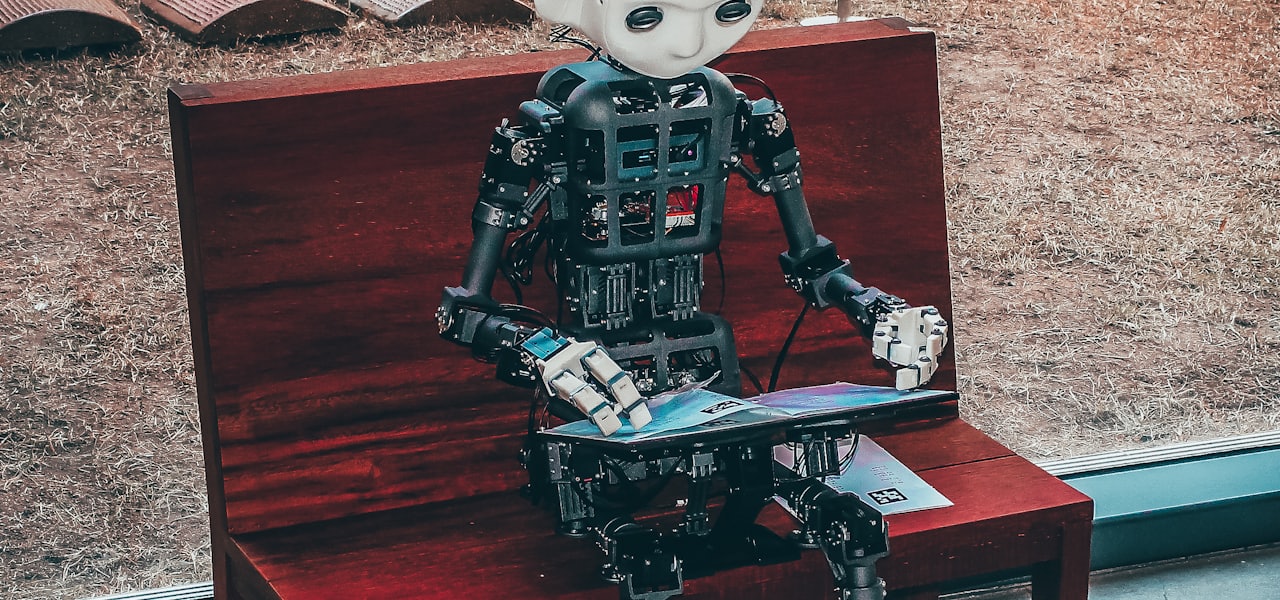
A socially assistive robot (SAR) aids users through social engagement and support rather than through physical tasks and interactions. == Background == The field of socially assistive robotics emerged in the early 2000s, following the emergence of the field of social robots. In contrast to social robots, SARs aid users with specific goals related to behavior change rather than serving as purely social entities. The term "Socially assistive robot" was initially defined by Maja Matarić and David Feil-Seifer in 2005. Since its inception, the field has gained substantial recognition, featuring numerous research projects, a wealth of global research publications, startup companies, and a growing array of products on the consumer market. The COVID-19 pandemic has underscored the immense potential of socially assistive robots, particularly in addressing the needs of large user populations, including children engaged in remote learning, elderly individuals grappling with loneliness, and those affected by social isolation and its associated negative consequences. == Characteristics of interaction == SARs rely on artificial intelligence (AI) to generate real-time, responsive, natural, and meaningful robot behaviors during interactions with humans. The robots employ various forms of communication, such as facial expressions, gestures, body movements, and speech. In contrast to robots intended for physical tasks, SARs are designed to support and motivate users to perform their own tasks. The tasks a user engages in can be physical (e.g., rehabilitation exercises for post-stroke users), cognitive (e.g., dementia screening for elderly users), or social (e.g., turn-taking for users with autism spectrum disorders). This complex interaction involves detecting and interpreting the user's movement, behavior, intent, goals, speech, and preferences. Machine learning and robot learning techniques are frequently employed to enhance the robot's understanding of the user, predict user preferences, and provide effective assistance. The effectiveness of socially assistive robots is assessed based on objective measurements of user performance and improvement resulting from the robot’s assistance and support. Unlike other branches of robotics, where effectiveness depends on the robot's physical task completion, SAR measures the success of the robot based on the user's progress and achievements. This evaluation is carried out using quantitative objective metrics, such as time spent on tasks, accuracy, retention, and verbalization, as well as quantitative subjective metrics, such as user survey tools. SAR is based on the large body of evidence showing that users tend to respond more positively to interactions with physical robots compared to interactions with screens. Interaction with physical robots also encourages users to learn and retain more information than screen-based interactions. This fundamental insight underlines why physical robots in SAR applications are more effective, as opposed to interactions solely involving screens, tablets, or computers. == Uses and applications == SARs have been developed and validated in a wide array of applications, including healthcare, elder care, education, and training. For example, SARs have been developed to support children on the autism spectrum in acquiring and practicing social and cognitive skills, to motivate and coach stroke patients throughout their rehabilitation exercises, monitoring individuals health (ex. fall detection), and to encourage elderly users to be more physically and socially active. There is a concern that technophobia and lack of trust in robots will pose a barrier to the effectiveness of SARs in older adults.
Biohybrid system
Biohybrid systems refer to the integration of biological materials, such as cells or tissues, with artificial components, including electronics or mechanical structure. This combination incorporates the capabilities of living organisms with the precision of man-made technology. As a result, these systems perform tasks that neither biology nor machines could achieve independently. Biohybrid systems might use lab-cultured muscle cells to power small robots or combine sensors with living tissue for better health sensing. The intent behind these systems is to combine the benefits of biological and technological components to introduce new solutions for complex medical challenges. Biohybrid systems may have transformative potential across sectors, such as robotics to create actuators and sensors that mimic natural muscle and nerve function, medicine in developing smart implants and drug delivery systems, in prosthetics for enhancing user control through neural or muscular interfaces and environmental sustainability for deploying biohybrid solutions for pollution sensing or remediation. == Origin == The term "biohybrid" is a compound of "bio" from biology (meaning life) and "hybrid" (referring to a combination of distinct elements), denoting a field of study. Its use helps distinguish such systems from purely biological constructs or entirely synthetic machines. Early academic mentions may include bio actuated robotics papers and foundational tissue-robot integration studies published in journals like Nature Biotechnology or Science Robotics. The emergence of the term reflects a growing recognition of the need to describe systems that do not fit cleanly into traditional categories. == Design principles == One of the most significant biohybrid challenges is to engineer interfaces between living tissue and artificial materials that are efficient. This means having precise control over adhesion at the surface, diffusion of nutrients, and signal conduction. Actuation mechanisms within the heart of these systems generate movement or mechanical response. These may be in the form of living muscle cells such as skeletal myocytes or cardiomyocytes, soft pneumatic actuators, or electrical stimulation-responsive tissues. Materials selection is equally critical. Hydrogels, elastomers like PDMS (polydimethylsiloxane), and biopolymers are commonly used due to their softness and biocompatibility. These materials must support cell viability, resist immune attack, and allow the integration of mechanical or electrical components. == Key components == At their core, biohybrid systems work by bridging living biological parts with technology. Through this integration, functionality that neither system could accomplish singularly is possible. Biological parts may be cells, tissues, or even organs—occasionally cultured in a laboratory setting. These biological parts carry out biologically inspired behaviors, such as muscle contraction or chemical sensing in the body. Technological components may constitute devices like sensors, electronic components, and mechanical structure. These manipulate the system, supply power, or transfer data. An example is a sensor that is implantable within a body and detects glucose levels as it sends information to a smart phone. By integrating these artificial and biological parts, biohybrid systems can perform advanced functions, such as tissue regeneration, real-time health monitoring, or the recovery of motor function in paralysis patients. Biohybrid systems generally consist of two major components: the biological and the mechanical. Biological components may include muscle cells for contraction, endothelial cells for vascularization, and stem cells for regenerative capabilities. Mechanical components comprise soft actuators that mimic organic motion, synthetic scaffolds that provide support and structure, and microfluidic systems that facilitate the delivery of nutrients and removal of waste. These components are combined in a manner that allows for dynamic, lifelike behavior—such as the contraction of tissue or the propagation of mechanical waves—while maintaining biocompatibility and durability. == Applications == The range of applications for biohybrid systems is broad and continuously expanding. In robotics, biohybrid structures have been used to engineer microscopic, muscle-driven machines, such as Harvard University's biohybrid stingray robot. In medical applications, they offer new alternatives for organ repair and augmentation, including biohybrid heart valves and esophageal scaffolds. Biohybrids are also promising in neural interfaces, where the goal is to create long-lasting, stable interaction between mechanical devices and brain tissue. Muscle-actuated drug response platforms are under exploration in pharmacology for modelling and real-time screening. == Examples == Several high-profile research projects have demonstrated the potential of biohybrid systems: Harvard researchers developed a biohybrid swimming ray powered by rat cardiac cells layered onto a gold skeleton, mimicking the motion of a real stingray. At the Massachusetts Institute of Technology, a cardiac pump actuated entirely by living heart muscle cells was engineered to simulate the behavior of a beating heart. Bio actuated soft robots have been built to simulate gut peristalsis, using muscle contractions to replicate natural wave-like movement in the digestive tract. == Challenges and limitations == As with many technologies that involve living systems, biohybrid systems raise important ethical and biomedical questions. Cell sourcing remains a key issue, particularly when embryonic or animal-derived cells are used. Long-term viability is another concern—living tissues must be kept alive with nutrients and oxygen, and they often degrade or elicit immune responses when implanted. Powering these biological parts presents logistical and ethical hurdles as well. Systems must either include internal mechanisms for nutrient delivery or be supported externally, which can limit portability and independence. == Future directions == Researchers are exploring self-directed, self-regulated organ substitutes and regenerative implants that can respond to their surroundings in real-time. These systems may be integrated with artificial intelligence to make them adjust to stimuli and coordinate complex behaviors. Future potential applications are wearable biohybrid systems for rehabilitation, space medicine devices for long-duration missions, and implantable devices that integrate into human physiology.
Data augmentation
Data augmentation is a statistical technique which allows maximum likelihood estimation from incomplete data. Data augmentation has important applications in Bayesian analysis, and the technique is widely used in machine learning to reduce overfitting when training machine learning models, achieved by training models on several slightly-modified copies of existing data. == Synthetic oversampling techniques for traditional machine learning == Synthetic Minority Over-sampling Technique (SMOTE) is a method used to address imbalanced datasets in machine learning. In such datasets, the number of samples in different classes varies significantly, leading to biased model performance. For example, in a medical diagnosis dataset with 90 samples representing healthy individuals and only 10 samples representing individuals with a particular disease, traditional algorithms may struggle to accurately classify the minority class. SMOTE rebalances the dataset by generating synthetic samples for the minority class. For instance, if there are 100 samples in the majority class and 10 in the minority class, SMOTE can create synthetic samples by randomly selecting a minority class sample and its nearest neighbors, then generating new samples along the line segments joining these neighbors. This process helps increase the representation of the minority class, improving model performance. == Data augmentation for image classification == When convolutional neural networks grew larger in mid-1990s, there was a lack of data to use, especially considering that some part of the overall dataset should be spared for later testing. It was proposed to perturb existing data with affine transformations to create new examples with the same labels, which were complemented by so-called elastic distortions in 2003, and the technique was widely used as of 2010s. Data augmentation can enhance CNN performance and acts as a countermeasure against CNN profiling attacks. Data augmentation has become fundamental in image classification, enriching training dataset diversity to improve model generalization and performance. The evolution of this practice has introduced a broad spectrum of techniques, including geometric transformations, color space adjustments, and noise injection. === Geometric Transformations === Geometric transformations alter the spatial properties of images to simulate different perspectives, orientations, and scales. Common techniques include: Affine Transformation Rotation: Rotating images by a specified degree to help models recognize objects at various angles. Reflection: Reflecting images horizontally or vertically to introduce variability in orientation. Translation: Shifting images in different directions to teach models positional invariance. Scaling Shear Mapping Cropping: Removing sections of the image to focus on particular features or simulate closer views. Elastic Distortion Morphing within the same class: Generating new samples by applying morphing techniques between two images belonging to the same class, thereby increasing intra-class diversity. === Color Space Transformations === Color space transformations modify the color properties of images, addressing variations in lighting, color saturation, and contrast. Techniques include: Brightness Adjustment: Varying the image's brightness to simulate different lighting conditions. Contrast Adjustment: Changing the contrast to help models recognize objects under various clarity levels. Saturation Adjustment: Altering saturation to prepare models for images with diverse color intensities. Color Jittering: Randomly adjusting brightness, contrast, saturation, and hue to introduce color variability. === Noise Injection === Injecting noise into images simulates real-world imperfections, teaching models to ignore irrelevant variations. Techniques involve: Gaussian Noise: Adding Gaussian noise mimics sensor noise or graininess. Salt and Pepper Noise: Introducing black or white pixels at random simulates sensor dust or dead pixels. == Data augmentation for signal processing == Residual or block bootstrap can be used for time series augmentation. === Biological signals === Synthetic data augmentation is of paramount importance for machine learning classification, particularly for biological data, which tend to be high dimensional and scarce. The applications of robotic control and augmentation in disabled and able-bodied subjects still rely mainly on subject-specific analyses. Data scarcity is notable in signal processing problems such as for Parkinson's Disease Electromyography signals, which are difficult to source - Zanini, et al. noted that it is possible to use a generative adversarial network (in particular, a DCGAN) to perform style transfer in order to generate synthetic electromyographic signals that corresponded to those exhibited by sufferers of Parkinson's Disease. The approaches are also important in electroencephalography (brainwaves). Wang, et al. explored the idea of using deep convolutional neural networks for EEG-Based Emotion Recognition, results show that emotion recognition was improved when data augmentation was used. A common approach is to generate synthetic signals by re-arranging components of real data. Lotte proposed a method of "Artificial Trial Generation Based on Analogy" where three data examples x 1 , x 2 , x 3 {\displaystyle x_{1},x_{2},x_{3}} provide examples and an artificial x s y n t h e t i c {\displaystyle x_{synthetic}} is formed which is to x 3 {\displaystyle x_{3}} what x 2 {\displaystyle x_{2}} is to x 1 {\displaystyle x_{1}} . A transformation is applied to x 1 {\displaystyle x_{1}} to make it more similar to x 2 {\displaystyle x_{2}} , the same transformation is then applied to x 3 {\displaystyle x_{3}} which generates x s y n t h e t i c {\displaystyle x_{synthetic}} . This approach was shown to improve performance of a Linear Discriminant Analysis classifier on three different datasets. Current research shows great impact can be derived from relatively simple techniques. For example, Freer observed that introducing noise into gathered data to form additional data points improved the learning ability of several models which otherwise performed relatively poorly. Tsinganos et al. studied the approaches of magnitude warping, wavelet decomposition, and synthetic surface EMG models (generative approaches) for hand gesture recognition, finding classification performance increases of up to +16% when augmented data was introduced during training. More recently, data augmentation studies have begun to focus on the field of deep learning, more specifically on the ability of generative models to create artificial data which is then introduced during the classification model training process. In 2018, Luo et al. observed that useful EEG signal data could be generated by Conditional Wasserstein Generative Adversarial Networks (GANs) which was then introduced to the training set in a classical train-test learning framework. The authors found classification performance was improved when such techniques were introduced. === Mechanical signals === The prediction of mechanical signals based on data augmentation brings a new generation of technological innovations, such as new energy dispatch, 5G communication field, and robotics control engineering. In 2022, Yang et al. integrate constraints, optimization and control into a deep network framework based on data augmentation and data pruning with spatio-temporal data correlation, and improve the interpretability, safety and controllability of deep learning in real industrial projects through explicit mathematical programming equations and analytical solutions.
Cloem
Cloem is a company based in Cannes, France, which applies natural language processing (NLP) technologies to assist patent applicants in creating variants of patent claims, called "cloems". According to the company, these "computer-generated claims can be published to keep potential competitors from attempting to file adjacent patent claims." == Technology == According to Cloem, dictionaries, ontologies and proprietary claim-drafting algorithms are used to draft alternative claims based on a client's original set of claims. In particular, the original set of claims is subject to various permutations and linguistic manipulations "by considering alternative definitions for terms as well as “synonyms, hyponyms, hyperonyms, meronyms, holonyms, and antonyms.”" == Possible uses == Cloem can optionally publish one or more created texts, as electronic publications or as paper-printed publications. These can potentially serve – through a defensive publication – as prior art to prevent another party for obtaining a patent on the subject-matter at stake. In other words, after an initial patent filing, an "improvement" patent (adjacent invention) can be applied for by another party, such as a competitor. By publishing variants of a patent claim, the risk of adverse patenting may potentially be decreased (improvement inventions may no longer be patentable). Cloems may also be potentially patentable. One of the issues of patentability, however, is that only a natural person can be a listed as an inventor on a patent. Since cloems are produced by a computer based on a person's input, it is not clear if the computer or the person is the inventor. The inventorship of Cloem texts is an open question.
Algorithmic bias
Algorithmic bias describes systematic and repeatable harmful tendency in a computerized sociotechnical system to create "unfair" outcomes, such as "privileging" one category over another in ways that may or may not be different from the intended function of the algorithm. Bias can emerge from many factors, including intentionally biased design decisions or the unintended or unanticipated use or decisions relating to the way data is coded, collected, selected or used to train the algorithm. For example, algorithmic bias has been observed in search engine results and social media platforms. This bias can have impacts ranging from privacy violations to reinforcing social biases of race, gender, sexuality, and ethnicity. The study of algorithmic bias is most concerned with algorithms that reflect "systematic and unfair" discrimination. This bias has only recently been addressed in legal frameworks, such as the European Union's General Data Protection Regulation (enforced in 2018) and the Artificial Intelligence Act (proposed in 2021 and adopted in 2024). As algorithms expand their ability to organize society, politics, institutions, and behavior, sociologists have become concerned with the ways in which unanticipated output and manipulation of data can impact the physical world. Because algorithms are often considered to be neutral and unbiased, they can inaccurately project greater authority than human expertise (in part due to the psychological phenomenon of automation bias), and in some cases, reliance on algorithms can displace human responsibility for their outcomes, without last mile thinking. Bias can enter into algorithmic systems as a result of pre-existing cultural, social, or institutional expectations; by how features and labels are chosen; because of technical limitations of their design; or by being used in unanticipated contexts or by audiences who are not considered in the software's initial design. Algorithmic bias has been cited in cases ranging from election outcomes to the spread of online hate speech. It has also arisen in criminal justice, healthcare, and hiring, compounding existing racial, socioeconomic, and gender biases. The relative inability of facial recognition technology to accurately identify darker-skinned faces has been linked to multiple wrongful arrests of black men, an issue stemming from imbalanced datasets. Problems in understanding, researching, and discovering algorithmic bias persist due to the proprietary nature of algorithms, which are typically treated as trade secrets. Even when full transparency is provided, the complexity of certain algorithms poses a barrier to understanding their functioning. Furthermore, algorithms may change, or respond to input or output in ways that cannot be anticipated or easily reproduced for analysis. In many cases, even within a single website or application, there is no single "algorithm" to examine, but a network of many interrelated programs and data inputs, even between users of the same service. A 2021 survey identified multiple forms of algorithmic bias, including historical, representation, and measurement biases, each of which can contribute to unfair outcomes. == Definitions == Algorithms are difficult to define, but may be generally understood as lists of instructions that determine how programs read, collect, process, and analyze data to generate a usable output. For a rigorous technical introduction, see Algorithms. Advances in computer hardware and software have led to an increased capability to process, store and transmit data. This has in turn made the design and adoption of technologies such as machine learning and artificial intelligence technically and commercially feasible. By analyzing and processing data, algorithms are the backbone of search engines, social media websites, recommendation engines, online retail, online advertising, and more. Contemporary social scientists are concerned with algorithmic processes embedded into hardware and software applications because of their political and social impact, and question the underlying assumptions of an algorithm's neutrality. The term algorithmic bias describes systematic and repeatable errors that create unfair outcomes, such as privileging one arbitrary group of users over others. For example, a credit score algorithm may deny a loan without being unfair, if it is consistently weighing relevant financial criteria. If the algorithm recommends loans to one group of users, but denies loans to another set of nearly identical users based on unrelated criteria, and if this behavior can be repeated across multiple occurrences, an algorithm can be described as biased. This bias may be intentional or unintentional (for example, it can come from biased data obtained from a worker that previously did the job the algorithm is going to do from now on). == Methods == Bias can be introduced to an algorithm in several ways. During the assemblage of a dataset, data may be collected, digitized, adapted, and entered into a database according to human-designed cataloging criteria. Next, programmers assign priorities, or hierarchies, for how a program assesses and sorts that data. This requires human decisions about how data is categorized, and which data is included or discarded. Some algorithms collect their own data based on human-selected criteria, which can also reflect the bias of human designers. Other algorithms may reinforce stereotypes and preferences as they process and display "relevant" data for human users, for example, by selecting information based on previous choices of a similar user or group of users. Beyond assembling and processing data, bias can emerge as a result of design. For example, algorithms that determine the allocation of resources or scrutiny (such as determining school placements) may inadvertently discriminate against a category when determining risk based on similar users (as in credit scores). Meanwhile, recommendation engines that work by associating users with similar users, or that make use of inferred marketing traits, might rely on inaccurate associations that reflect broad ethnic, gender, socio-economic, or racial stereotypes. Another example comes from determining criteria for what is included and excluded from results. These criteria could present unanticipated outcomes for search results, such as with flight-recommendation software that omits flights that do not follow the sponsoring airline's flight paths. Algorithms may also display an uncertainty bias, offering more confident assessments when larger data sets are available. This can skew algorithmic processes toward results that more closely correspond with larger samples, which may disregard data from underrepresented populations. == History == === Early critiques === The earliest computer programs were designed to mimic human reasoning and deductions, and were deemed to be functioning when they successfully and consistently reproduced that human logic. In his 1976 book Computer Power and Human Reason, artificial intelligence pioneer Joseph Weizenbaum suggested that bias could arise both from the data used in a program, but also from the way a program is coded. Weizenbaum wrote that programs are a sequence of rules created by humans for a computer to follow. By following those rules consistently, such programs "embody law", that is, enforce a specific way to solve problems. The rules a computer follows are based on the assumptions of a computer programmer for how these problems might be solved. That means the code could incorporate the programmer's imagination of how the world works, including their biases and expectations. While a computer program can incorporate bias in this way, Weizenbaum also noted that any data fed to a machine additionally reflects "human decision making processes" as data is being selected. Finally, he noted that machines might also transfer good information with unintended consequences if users are unclear about how to interpret the results. Weizenbaum warned against trusting decisions made by computer programs that a user doesn't understand, comparing such faith to a tourist who can find his way to a hotel room exclusively by turning left or right on a coin toss. Crucially, the tourist has no basis of understanding how or why he arrived at his destination, and a successful arrival does not mean the process is accurate or reliable. An early example of algorithmic bias resulted in as many as 60 women and ethnic minorities denied entry to St. George's Hospital Medical School per year from 1982 to 1986, based on implementation of a new computer-guidance assessment system that denied entry to women and men with "foreign-sounding names" based on historical trends in admissions. While many schools at the time employed similar biases in their selection process, St. George was most notable for automating said bias through the use of an algorithm, thus gaining the attention of people on a much